Six Months Inside the Oolong Rabbit Hole
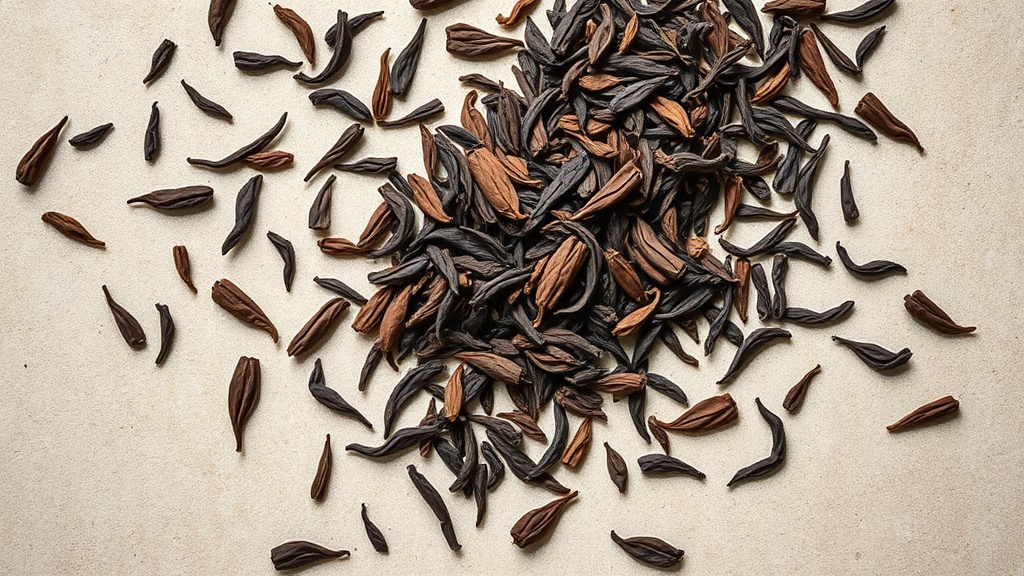
Oolong is the category that makes tea interesting to me in the same way that natural wine is interesting to people who care about wine. It's not a single thing. It's a spectrum — anywhere from 10% to 90% oxidized, made across wildly different terroirs, processed by hand in ways that haven't changed much in two hundred years. And it's genuinely difficult to predict what you'll taste before you brew it.
I spent six months deliberately working through the major categories. Here's what I actually think about each one.
Taiwanese High Mountain (高山茶)
This is where I started. The tea that got me into all of this was an Alishan from a small importer in Utrecht. Lightly oxidized (around 20–30%), ball-rolled, fragrant in a way that reminded me of lilac and warm milk simultaneously. That sounds strange but it wasn't.
High Mountain teas are grown above 1000m, which slows leaf growth and concentrates flavor compounds. The main varieties I've worked through: Alishan, Li Shan (harder to find, very good), Da Yu Ling (extremely expensive, occasionally worth it), and Dong Ding (lower elevation but heavily roasted, a different character entirely).
What surprised me: the range within High Mountain is enormous. A lightly roasted spring Alishan and a medium-roasted winter Dong Ding are almost different beverages. Treating them as the same category is like lumping Champagne and port together because both come from France and involve grapes.
Wuyi Rock Oolong (武夷岩茶)
The other major branch. These come from the Wuyi Mountains in Fujian province, China — volcanic rock terrain, high humidity, a microclimate that produces something called yan yun, rock mineral flavor. You either taste it immediately or you don't, and if you don't it takes a few brews to calibrate.
I started with Da Hong Pao (Big Red Robe), which is the famous one and which is also, at the commercial level, mostly a blend of similar cultivars. Rou Gui (Cassia) is where I've spent more time — it has a distinct spiciness that I find more interesting than the generic roast note in commercial Da Hong Pao.
These are heavily roasted. Brewing at 95–100°C is correct. The first few infusions will taste like charcoal if the roast is fresh; give it a few rounds to open up. I've found that Wuyi oolongs brewed in a small Yixing clay pot perform differently than in porcelain — the clay seems to absorb some of the harsher roast notes over time. Whether that's worth the additional investment depends on how much Wuyi you're actually going to drink.
Dan Cong (单丛) — Phoenix Mountain, Guangdong
The category that made me feel like I didn't understand tea at all when I first tried it.
Dan Cong means "single trunk" — traditionally single trees rather than clonal cultivation, each with its own named cultivar. Honey Orchid (Mì Lán Xiāng) is the entry point, and it's fairly forgiving. Yellow Branch (Huáng Zhī Xiāng) is more complex. Duck Shit Aroma (Yā Shǐ Xiāng) is real and is, confusingly, excellent.
What sets Dan Cong apart is intensity. These teas are higher oxidized than Taiwanese oolongs (typically 40–60%) and often more heavily roasted, but the floral and fruit aromatics remain vivid. The combination doesn't make sense until you taste it.
I'd suggest starting with Honey Orchid from a reputable source, brewing it at 90°C with a short first infusion (15 seconds), and not thinking too hard about what you're supposed to taste. It'll tell you.
What I'd do differently starting over
Buy less. I bought too much early on, trying to cover the category quickly. Oolong keeps reasonably well in airtight storage, but not forever, and I ended up with several teas I never returned to because I'd already moved on to the next thing.
A better approach: pick one subcategory, buy two or three examples at different price points from the same source, brew them side by side. Comparison is how you learn to taste the differences. Drinking them weeks apart in isolation isn't.
Also: find one importer you trust and learn their catalog before branching out. There's a lot of mediocre oolong sold with credible-sounding origin stories. Consistency from a source you know is worth more than the thrill of a new vendor.