My First Chado Session in Rotterdam: What I Got Wrong
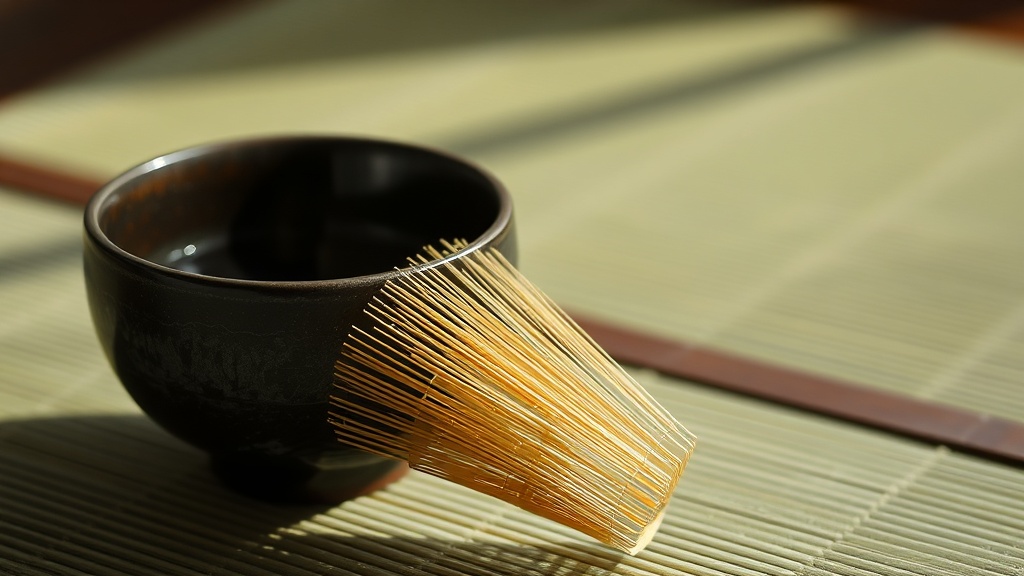
A cultural center in Rotterdam runs occasional chado introductions — the Way of Tea, the Japanese tea ceremony tradition associated with Zen Buddhism and the aesthetic principles of wabi-sabi. I signed up for one in November after reading about it, thinking it would be a pleasant afternoon of calm and good matcha.
It was a workout in paying attention, and I was not ready for it.
What I got wrong: it's not about relaxing
My assumption was that the ceremony's slowness was meditative in a passive sense — that you'd sit quietly, watch, drink tea, and feel peaceful. The slowness is there, but its function is different. Every movement in temae (the preparation procedure) is exact. The way you hold the whisk. The angle of the bowl when you receive it. The number of times you turn it before drinking. The direction you wipe the rim.
Maintaining that precision for ninety minutes while also tracking where you are in the sequence, what you're supposed to do next, and whether you're breathing correctly — because there is, apparently, also correct breathing — is cognitively demanding. The calm is something you reach through that effort, not something you show up to collect.
The sensei explained it partway through: "The point is that for this time, you are doing only this. There is no room for other thoughts." She was right, though I'd describe it less charitably as no room for thoughts at all, because every bit of processing capacity was occupied with not dropping the chakin.
The matcha itself
The matcha was very good — a ceremonial grade from Uji that I'd normally find overwhelming in the amounts I usually prepare at home. In the ceremony context, the slightly bitter, dense bowl made complete sense. You've been sitting quietly for an hour. Your attention is calibrated differently. The matcha lands correctly.
This is something I hadn't understood before: preparation context affects perception. I've since noticed a version of this with gong fu brewing — the third or fourth infusion from a good oolong tastes different not just because the leaf has changed but because you've been paying attention to it for twenty minutes.
What actually stayed with me
Two things. First, the idea that a repeated physical action done with complete attention is a different experience than the same action done automatically. I make tea every day. I almost never make it with the level of attention that ninety minutes of temae imposed. The few times I've tried since — slowing down, noticing the weight of the gaiwan, the sound of water hitting the leaf — it's a different thing.
Second, the bowl. We used a Shino-style bowl, roughly made, asymmetrical, with a deliberate crack filled with gold lacquer. Kintsugi — the repair becomes part of the object. I keep thinking about that as an aesthetic principle. It applies to more than ceramics.
I signed up for the next session.